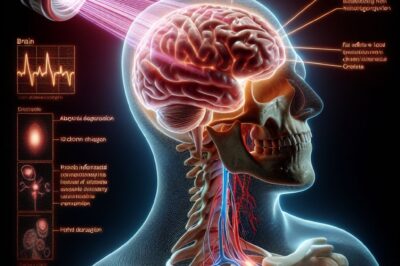
For decades, I’ve dedicated my life to uncovering the natural strategies that can make a profound difference in our health. As we peel back the layers of scientific discovery, one area that has shown remarkable promise is the use of far infrared light, particularly in the terahertz gap, for the treatment of dementia and other neurological conditions. My patients and I have witnessed the transformative effects of this therapy, and it’s time to share these insights.
Key Takeaways
-
Far infrared therapy in the terahertz gap can enhance cognitive function and reduce inflammation in the brain.
-
Recent research indicates significant improvements in neurological degenerative diseases with the use of this therapy.
-
Far infrared light helps clean up the debris of inflammation in the brain, which is pivotal in treating dementia.
-
Non-pharmacological interventions like far infrared therapy are gaining recognition as effective treatments for Alzheimer’s and other forms of dementia.
-
Implementing far infrared therapy at home can be a convenient and empowering step for health-conscious individuals.

Discovering the Healing Power of Far Infrared in the Terahertz Gap
The terahertz gap is a portion of the electromagnetic spectrum that lies between microwaves and infrared light. This range of light, which has been somewhat of a mystery to scientists for years, is now being recognized for its therapeutic potential. Specifically, it’s the far infrared light within this gap that has captured my attention for its ability to influence biological processes in a way that can heal and rejuvenate.
The Science Behind Far Infrared Therapy
Far infrared therapy works by emitting wavelengths of light that penetrate the skin and go deep into the body. This stimulates circulation, encourages oxygen flow, and boosts the removal of toxins. More than just warming the body, these wavelengths interact with water molecules within our cells, leading to a cascade of potential health benefits.
Understanding the Terahertz Gap
The terahertz gap, spanning approximately 0.1 to 10 terahertz (THz), has been a challenging area for researchers due to technological limitations. However, as our ability to harness and utilize these frequencies has improved, we’re beginning to see the therapeutic effects of far infrared light in this specific range, particularly when it comes to brain health.
Physiological Effects of Far Infrared on the Body
When I recommend far infrared therapy to my patients, I emphasize its ability to boost circulation and relax muscles even as it improves energy. But beyond these benefits, far infrared light affects our bodies at a cellular level. It enhances mitochondrial function, which is critical for energy production, and can lead to a reduction in pain and inflammation—key factors in many chronic conditions, including dementia.
Case Studies on Dementia and Neurodegeneration
In my practice, I’ve had the privilege to observe the impact of far infrared therapy on individuals with cognitive decline.
Scientific studies echo these observations. For instance, a 2021 study published in PLoS One found that far infrared light exposure led to a reduction in amyloid plaques in the brains of Alzheimer’s disease-transgenic mice, which are used to model human dementia. These plaques are a hallmark of Alzheimer’s and are associated with the cognitive deficits characteristic of the disease.
Far Infrared and the Future of Dementia Treatment
The integration of far infrared therapy into dementia treatment protocols represents a shift towards more holistic, non-pharmacological interventions. While medications play a role in managing symptoms, they often come with side effects and do not address the underlying disease processes. Far infrared therapy, on the other hand, offers a non-invasive approach that supports the body’s natural healing mechanisms. They have been used in other brain degenerative conditions such as Parkinson’s.
The Potential of Non-Pharmacological Interventions
Far infrared therapy is part of a growing field of non-pharmacological interventions that hold potential for improving the lives of those with dementia. By focusing on the body’s innate ability to heal and maintain balance, these interventions can complement traditional treatments and offer a more comprehensive approach to managing the disease.
Integration with Current Dementia Therapies
Integrating far infrared therapy with current dementia treatments requires a personalized approach. It’s essential to consider the individual’s overall health, stage of dementia, and other therapies they are receiving. Most importantly, it should be done under the guidance of a healthcare professional experienced in this modality.
Far infrared therapy can serve as a supportive treatment alongside cognitive therapies, dietary modifications, and physical exercise programs. By enhancing blood flow and reducing inflammation, it can potentially amplify the benefits of these other therapies.
For example, patients on a regimen of cognitive exercises may find that far infrared therapy enhances their mental clarity, allowing them to engage more fully with their cognitive tasks. Similarly, someone who is working on improving their physical mobility may experience less discomfort during exercise due to the pain-relieving effects of the therapy.
One study highlighted in the International Journal of Molecular Sciences in 2023 detailed the effects of terahertz radiation on the aggregation of Alzheimer’s Aβ42 peptide, a substance involved in the development of amyloid plaques. The findings suggest that this type of radiation could play a role in preventing or slowing the aggregation process, potentially altering the course of the disease.
On-going Research and Clinical Trials
The landscape of dementia research is ever-evolving, with ongoing studies and clinical trials further investigating the efficacy of far infrared therapy. Researchers are delving into the mechanisms by which far infrared light affects brain tissue and how these effects can be optimized to benefit those with dementia.
As these studies progress, we anticipate a greater understanding of the optimal frequency, duration, and intensity of far infrared exposure needed to achieve the best outcomes for patients with dementia. The goal is to establish evidence-based protocols that can be widely implemented in clinical practice.
Implementing Far Infrared Therapy in Daily Life
One of the most exciting aspects of far infrared therapy is its accessibility. With the advent of at-home devices, individuals can now incorporate this therapy into their daily routine with ease. These devices range from infrared saunas to wearable technology, making it possible for patients to experience the benefits of far infrared light without having to leave their homes. However the most powerful units are hand held devices that can be aimed at particular body areas that need attention, like the brain.
At-Home Far Infrared Devices and Their Use
When selecting an at-home far infrared device, it’s important to consider the quality and specifications of the product. Devices should emit light within the therapeutic terahertz gap and be designed for safe, regular use. Here are a few guidelines for using these devices:
-
Start with shorter sessions and gradually increase the duration as your body adapts.
-
Consult with a healthcare professional before beginning any new therapy, especially if you have pre-existing health conditions.
Professional Treatments vs. Home Therapy
While at-home devices are convenient, professional treatments offer the advantage of being administered by trained therapists who can tailor the therapy to your specific needs. These treatments may involve more sophisticated equipment and can provide a more controlled and intensive therapeutic experience.
However, home therapy can be a practical and cost-effective supplement to professional treatments. It allows for more frequent sessions and can help maintain the benefits achieved through professional care.
Lifestyle Changes to Amplify Therapeutic Effects
Besides far infrared therapy, there are lifestyle changes that can support brain health and potentially amplify the therapeutic effects. A balanced diet rich in antioxidants, regular physical activity, and mental exercises are foundational to maintaining cognitive function. Additionally, managing stress through practices like meditation or yoga can be beneficial. It’s not just one change, but a combination of healthy habits that can make a real difference.
FAQs
What Is the Terahertz Gap and Its Significance in Far Infrared Therapy?
The terahertz gap refers to a range in the electromagnetic spectrum where the frequency of light is between microwaves and infrared. This gap is significant in far infrared therapy because it is believed to contain frequencies that can penetrate tissues and promote healing, particularly in brain tissue affected by dementia.
How Does Far Infrared Therapy Potentially Aid in Dementia Treatment?
Far infrared therapy aids in dementia treatment by improving circulation, reducing inflammation, and promoting the removal of metabolic waste. These effects can lead to improved cognitive function and a slowing of the disease’s progression. Additionally, the gentle heat can help relax the body and reduce stress, which is beneficial for overall brain health.
For instance, a study published in Neuroscience Bulletin in 2023 reported that terahertz irradiation improved cognitive impairments and attenuated Alzheimer’s neuropathology in mice. This is promising for the potential application in humans.
Is Far Infrared Therapy Safe for Regular Use?
Yes, far infrared therapy is generally considered safe for regular use. It is a non-invasive treatment with few reported side effects.
Can Far Infrared Therapy Be Combined with Other Dementia Treatments?
Far infrared therapy can often be combined with other dementia treatments, such as medication, cognitive therapy, and lifestyle changes. It can serve as a complementary therapy that enhances the effects of other treatments.
What Are the Current Limitations of Far Infrared Therapy Research?
While the benefits of far infrared therapy are promising, there are limitations in the research, including small sample sizes, a lack of long-term data, and the need for more human clinical trials. Future research is needed to fully understand the mechanisms and optimize treatment protocols for dementia. On the other hand, there is nothing to lose and much to gain even if the benefit is small, and it appears that it is more than a small benefit.
Stanley Lang, M.D. has been in active medical practice since 1978. He has been a family physician during these years with detailed experience in all age groups including delivering babies for several years. He has been a pioneer in developing models of wholistic health care that bring health to the whole person. He has particularly focussed on reversing Chronic Stress effects on the body. He is the creator of the Shalom Method for Wholistic Health, and he has created several online programs that allow patients to naturally self manage their problems including “The Natural Lyme disease Treatment Program”, the “Menopause Balancing Program”, “The Happy Healthy Child” program plus many others. www.ncbi.nlm.nih.gov
Effects of Terahertz Radiation on the Aggregation of Alzheimer’s Aβ42 …
by L Wang · 2023 · Cited by 2 — The photon energy of terahertz waves is extremel…
Effects of far infrared light on Alzheimer’s disease-transgenic mice
by K Fukui · 2021 · Cited by 5 — It has been reported that exposure to FIR light…
Terahertz Irradiation Improves Cognitive Impairments and …
by J Zhang · 2023 · Cited by 1 — Photobiomodulation with near infrared light mit…


Leave a Reply