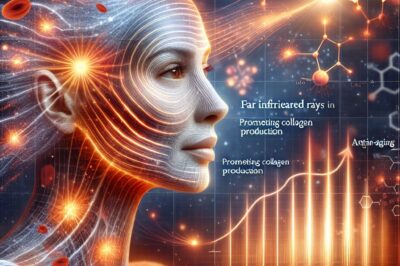
Key Takeaways
-
Collagen is a critical protein for skin health, providing structure and elasticity.
-
Far infrared light (FIR) therapy has been shown to stimulate collagen production in the skin.
-
Diet, supplements, and topical treatments can also enhance collagen synthesis.
-
Incorporating vitamin C into your skincare routine can support collagen health.
-
Consistent use of FIR therapy can lead to noticeable improvements in skin texture and wrinkle reduction.
Unlocking the Secrets of Collagen and Skin Aging
As someone who has spent over three decades immersed in wholistic health, I’ve seen firsthand the transformative power of natural treatments on the skin. Collagen, a protein that’s become synonymous with youthful skin, is at the heart of many conversations about aging. Let’s delve into what collagen really is and why it’s so crucial for maintaining healthy, vibrant skin.
What Is Collagen and Its Role in Skin Health?
Imagine your skin as a mattress. Collagen is the spring system that provides support and firmness. This protein is abundant in our bodies, forming the scaffolding that keeps our skin looking plump and smooth. But as we age, our body’s collagen production slows down, leading to wrinkles and sagging skin. That’s why finding ways to stimulate collagen synthesis is a cornerstone of anti-aging skincare.
Common Factors Leading to Collagen Depletion
Several culprits contribute to the breakdown of collagen in our skin. Sun exposure, smoking, pollution, and poor nutrition all play a role in accelerating skin aging. But, there’s good news! By understanding these factors, we can take steps to mitigate their effects and protect our skin’s collagen reserves.
The Connection Between Vitamin C and Collagen Synthesis
Here’s a tip that’s as bright as the sun: vitamin C is a key player in collagen synthesis. This nutrient is essential for the formation of collagen, and without it, our skin would lose its strength and elasticity. Incorporating vitamin C-rich foods into your diet or using topical products can give your skin a much-needed collagen boost.
Exploring the Science Behind Far Infrared Light (FIR) and Collagen Production
In my practice, I’ve seen the emergence of far infrared light therapy as a game-changer for skin health. But what exactly is FIR and how does it work? Let’s shine a light on the science behind this innovative treatment.
Understanding the Terahertz Gap and FIR
Far infrared light sits on the electromagnetic spectrum between microwaves and visible light. It’s often referred to as the ‘terahertz gap’ and is invisible to the naked eye. FIR penetrates deep into the skin, where it gently heats tissues and stimulates cellular repair and regeneration. This is where its potential for enhancing collagen comes into play.
How FIR Affects the Skin’s Structure and Collagen Levels
When FIR waves interact with our skin, they trigger a natural response in our cells to repair and regenerate. This includes ramping up the production of collagen. With consistent use, FIR can help to restore the skin’s youthful elasticity and reduce the appearance of fine lines and wrinkles.
Most importantly, this isn’t just speculation. Clinical studies have begun to uncover the positive effects of FIR on collagen levels in the skin. For instance, research has demonstrated that FIR can significantly increase procollagen type I, which is essential for maintaining skin’s firmness and elasticity.
Clinical Studies: FIR’s Impact on Collagen and Wrinkle Reduction
Let’s consider the evidence. Clinical studies have shown that FIR exposure can lead to a decrease in skin thickness and an increase in collagen density. This suggests that FIR therapy could be a powerful tool in combating the signs of aging. Patients who have undergone FIR treatment often report improvements in skin texture and a reduction in wrinkles, which supports the scientific findings.
Practical Ways to Increase Collagen in the Skin
It’s essential to understand that while treatments like FIR can do wonders, they work best when supported by a healthy lifestyle. Here are some practical ways to boost your skin’s collagen levels from the inside out and the outside in.
Diet and Supplements for Collagen Production
When it comes to collagen production, your diet matters. Foods rich in protein like chicken, fish, beans, and eggs provide amino acids, which are the building blocks of collagen. Besides that, bone broth is an excellent source of collagen itself. To further support collagen synthesis, consider these supplements:
-
Vitamin C: It’s not just for warding off colds – it’s crucial for collagen production. But you need large doses daily and consistently to make a difference.
-
Zinc: This trace mineral plays a role in collagen synthesis and can be found in nuts and seeds.
-
Collagen peptides: These supplements are believed to increase the body’s collagen levels.
-
Silica—- available in a few supplements and also in DE, diatomaceous earth.
Topical Treatments and Their Effectiveness
Topical treatments, such as creams and serums containing retinol, vitamin C, or peptides, can also help stimulate collagen production. These ingredients signal to your skin that it’s time to ramp up collagen synthesis. But remember, consistency is key – you need to apply these products regularly to see results.
Therefore, when you’re browsing the skincare aisle, look for products with these collagen-boosting ingredients. And don’t forget to check the labels for antioxidants like vitamin E, which can protect your skin from damage that leads to collagen breakdown.
Understanding and Choosing FIR Devices for Home Use
If you’re considering bringing the power of FIR into your home, there are a few things to keep in mind. First, research the device’s specifications to ensure it emits the right wavelength of light for stimulating collagen. It’s also important to choose FDA-approved devices for safety reasons.
Moreover, check the reviews and see what other users are saying about their experiences. A quality FIR device should be user-friendly and come with clear instructions on how to use it safely and effectively. Remember, while FIR devices are generally safe, it’s always best to consult with a healthcare professional before starting any new treatment.
The Role of Vitamin C in Enhancing Collagen Production
Vitamin C is not only essential for a strong immune system but also for vibrant skin. Its role in collagen production is well-established, making it a superstar in the skincare world.
The Scientific Connection Between Vitamin C and Collagen
Vitamin C is a necessary cofactor for the enzymes that stabilize and cross-link the collagen molecules. Without adequate vitamin C, collagen production is disrupted, leading to weaker skin structure and, eventually, wrinkles and sagging. That’s why ensuring you have enough vitamin C is crucial for keeping your skin firm and resilient.
But how much vitamin C do you need for skin health? While the recommended dietary allowance (RDA) for adults is between 65 to 90 milligrams per day, some experts suggest that higher levels may be beneficial for skin health. Always consult with a healthcare provider before making significant changes to your diet or supplement routine.
Natural Sources of Vitamin C for Skincare
Luckily, nature has provided us with plenty of vitamin C-rich foods. Citrus fruits like oranges and lemons, berries, kiwi, bell peppers, and dark leafy greens are all excellent sources. Incorporating these foods into your diet can help support your skin’s natural collagen production.
Incorporating Vitamin C into Your Skincare Routine
Topical vitamin C is also a powerful ally in the fight against aging skin. Look for serums and creams that contain L-ascorbic acid, the most bioavailable form of vitamin C for the skin. Apply these products in the morning before sunscreen to help protect your skin from UV damage and at night to aid in repair and regeneration.
Far Infrared Technology: The Future of Wrinkle Reduction
The beauty industry is constantly evolving, and FIR technology is at the forefront of innovative treatments for reducing wrinkles and improving skin texture. Its ability to stimulate collagen production makes it a promising option for those looking to turn back the clock on their skin.
Innovations in FIR Devices for Skincare
-
In-home FIR saunas: These allow for full-body treatments and can be used to promote overall wellness in addition to skin health. However many of these are underpowered to actually stimulate collagen production.
-
Portable FIR wands: Target specific areas of your face or body with a convenient and easy-to-use wand. This is the best option for most people because it can also be aimed at problem areas of pain which enhances the healing system (partly through collagen production).
-
FIR masks: Designed to fit over your face, these masks provide a concentrated treatment to help reduce the appearance of fine lines and wrinkles. These look and feel a bit strange.
As technology advances, so do the options for at-home FIR treatments. These devices are becoming more accessible, providing an effective way to enhance collagen production without the need for invasive procedures.
Remember, when using any new skincare technology, it’s important to follow the manufacturer’s guidelines and to start with shorter sessions to see how your skin reacts. It’s also crucial to maintain realistic expectations and understand that results may vary from person to person.
Combining FIR Therapy with Other Skincare Practices
For the best results, FIR therapy should be part of a comprehensive skincare strategy. This includes protecting your skin from excessive sun or if you’re out long, blocking the UV rays, staying hydrated, and following a balanced diet. Combining these practices with FIR treatments can lead to more pronounced and lasting improvements in skin health.
Incorporating Far Infrared Treatments into Your Skincare Regimen
Integrating FIR therapy into your skincare routine doesn’t have to be daunting. Start by identifying your skin’s needs and the areas you’d like to improve. Then, choose an FIR device that aligns with your goals and fits into your lifestyle.
Getting Started with FIR: What to Consider
Before diving into FIR treatments, consider the following:
-
Your skin type and any specific concerns you want to address.
-
The quality and safety certifications of the FIR device you’re interested in.
-
Your budget and the cost-effectiveness of the treatment over time.
Always start slowly with new treatments and monitor your skin’s response. If you have any concerns, don’t hesitate to reach out to a dermatologist or a healthcare professional who can provide personalized advice.
By following these guidelines, you can safely explore the benefits of FIR therapy and take an active role in enhancing your skin’s health and appearance. Remember, the journey to healthier skin is a marathon, not a sprint, and every step you take is a step towards a more radiant you.
Best Practices for Using FIR Devices Safely and Effectively
When using FIR devices, safety is paramount. To ensure you’re getting the most out of your treatment without putting your skin at risk, follow these guidelines:
-
Always read the instruction manual before using a new FIR device.
-
Start with shorter treatment sessions and gradually increase the duration as your skin becomes accustomed to the light.
-
Do not use FIR on skin that is injured or irritated.
-
Protect your eyes with appropriate safety goggles or shades if recommended by the device manufacturer. (the wand doesn’t need this protection)
-
Consult with a healthcare professional if you have any underlying skin conditions or concerns.
By adhering to these practices, you can enjoy the collagen-boosting benefits of FIR therapy with peace of mind.
Maintaining Long-Term Skin Health with FIR
Consistency is key when it comes to FIR therapy. To maintain the collagen-enhancing effects, integrate FIR into your regular skincare routine. Just like you wouldn’t skip brushing your teeth, don’t skip your FIR sessions. Over time, you’ll likely see a noticeable improvement in your skin’s firmness and a reduction in the appearance of fine lines and wrinkles.
Additionally, support your FIR treatments with a healthy lifestyle. Eat a balanced diet, stay hydrated, and protect your skin from excessive sun exposure. These habits, combined with FIR therapy, will help you achieve and maintain the glowing, youthful skin you desire.
FAQs on Far Infrared Light and Collagen
As with any emerging skincare technology, there are bound to be questions. Here are some of the most common queries I receive about FIR therapy:
Can FIR Treatments Replace Traditional Skincare Products?
While FIR treatments are an excellent addition to your skincare regimen, they probably won’t replace your traditional skincare products. Cleansers, moisturizers, and sunscreens still play a crucial role in maintaining skin health. FIR therapy is a supplement to these products, enhancing their effects by promoting collagen production and skin renewal.
How Often Should You Use FIR for Optimal Results?
The frequency of FIR treatments can vary depending on the device and your skin’s needs. Generally, starting with two to three sessions per week is recommended, with each session lasting between 10 to 20 minutes. As your skin adapts, you may increase the frequency. Always follow the guidelines provided by the device manufacturer and consult with a skincare professional if you’re unsure. It’s safe to use the wand mentioned above on a daily basis and it has the most directed power in the FIR range.
Are There Any Side Effects of Using FIR on the Skin?
FIR therapy is generally safe and side effects are rare. However, some individuals may experience mild redness or irritation, particularly if they have sensitive skin. If you notice any adverse effects, reduce the frequency or duration of treatments and consult a professional.
Is FIR Therapy Suitable for All Skin Types?
Yes, FIR therapy is suitable for all skin types. However, individuals with certain conditions, such as photosensitivity, should proceed with caution and seek medical advice before starting FIR treatments.
What Makes FIR Different from Other Anti-Aging Technologies?
FIR stands out from other anti-aging technologies because it’s non-invasive, painless, and can be used in the comfort of your own home. Its ability to penetrate deeper into the skin’s layers allows it to stimulate collagen production more effectively than some topical treatments. One of the main actions is that it gently warms the water molecules in the cell as a way to transfer energy to the inside of the cell.
Key Takeaways
-
Collagen is essential for youthful, healthy skin, and its production can be enhanced through FIR therapy.
-
FIR treatments should complement, not replace, your traditional skincare routine.
-
Consistency and proper usage are key to achieving the best results with FIR therapy.
-
A balanced diet and lifestyle, along with FIR treatments, will contribute to long-term skin health.
-
Always consult with a professional if you have concerns about starting FIR therapy, especially if you have a pre-existing skin condition.
Incorporating FIR into your skincare regimen could be the missing piece to achieving the radiant, firm skin you’ve been striving for. With diligent use and a supportive lifestyle, the benefits of this innovative technology can be fully realized. Here’s to your skin’s health and vitality!
Far infrared light has been the subject of much scientific inquiry, particularly in the field of health and wellness. Studies suggest that exposure to far infrared light, especially in the terahertz frequency, can have various benefits. These include improved circulation, relaxation of the muscles, and potentially aiding in the healing process of nerve damage. Additionally, there is growing interest in the role of far infrared light in the terahertz gap in skin health, particularly in the stimulation of collagen production, which is vital for maintaining skin elasticity and structure.
Effect of Low Energy Far-Infrared Irradiation on Facial Skin for Healthy …
by W Chen · 2021 — Conclusion: Low energy far-infrared irradiation can significa.
Far-infrared suppresses skin photoaging in ultraviolet B-exposed …
by HW Chiu · 2017 · Cited by 37 — Treatment with FIR reversed UVB-decreased
The effects of infrared radiation on the human skin – Horton
by L Horton · 2023 · Cited by 4 — found that after 6 months of five times weekly…
Stanley Lang, M.D. has been in active medical practice since 1978. He has been a family physician during these years with detailed experience in all age groups including delivering babies for several years. He has been a pioneer in developing models of wholistic health care that bring health to the whole person. He has particularly focussed on reversing Chronic Stress effects on the body. He is the creator of the Shalom Method for Wholistic Health, and he has created several online programs that allow patients to naturally self manage their problems including “The Natural Lyme disease Treatment Program”, the “Menopause Balancing Program”, “The Happy Healthy Child” program plus many others.