Article-at-a-Glance
-
Far infrared light therapy aids in cellular regeneration and tissue repair, promoting faster healing of open wounds.
-
It boosts the immune system and reduces inflammation, which is crucial for wound healing.
-
Far infrared light operates uniquely in the terahertz gap, offering benefits not found in other types of infrared light.
-
Clinical studies support the efficacy and safety of far infrared light therapy for various medical conditions.
-
This therapy can be used safely for all ages and has no adverse side effects when applied correctly.
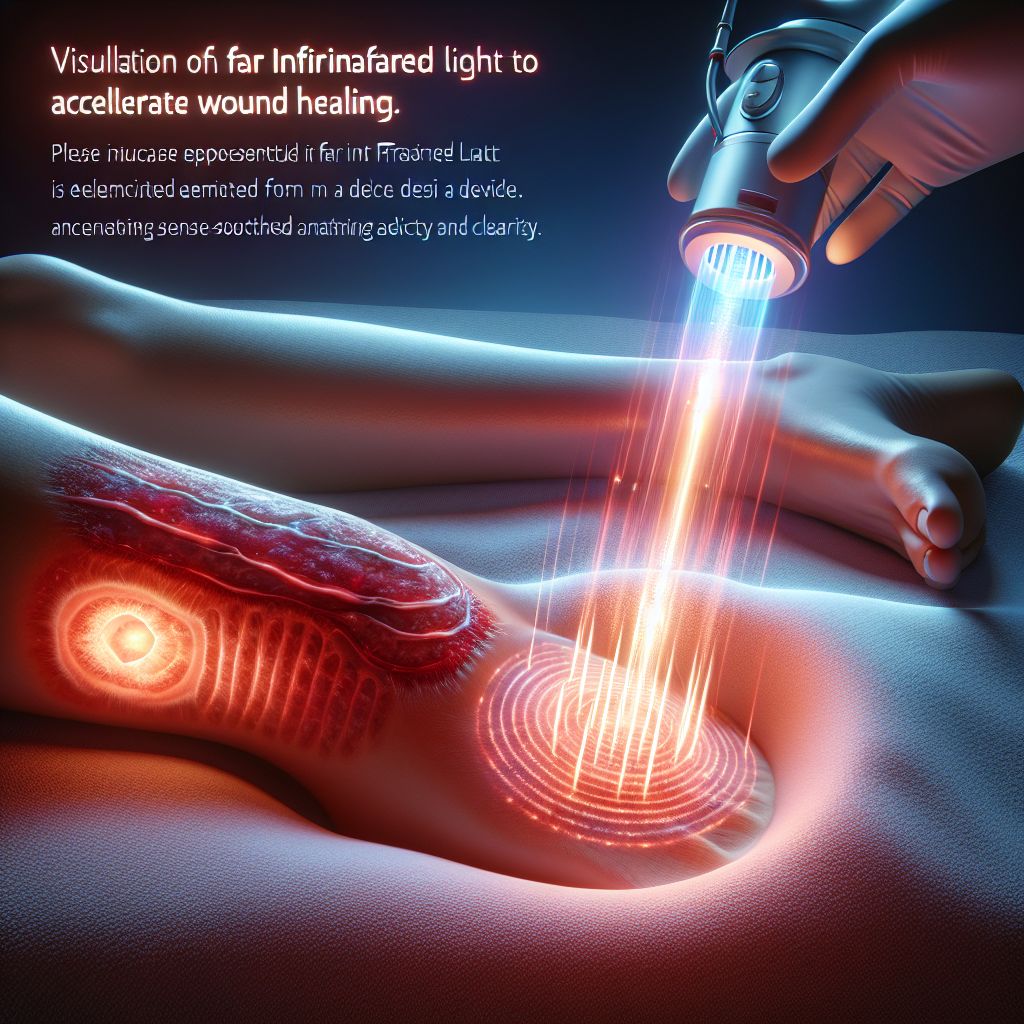
Far Infrared Light Activates Many Healing Systems in the Body and in the Individual Cells Which Speeds Up Healing
Far infrared light therapy is a fascinating and effective natural remedy that I have found particularly beneficial for wound healing. Over my 40 years of practice, I’ve seen firsthand how this therapy can accelerate the body’s natural healing processes. Let’s delve into how this remarkable therapy works.
Mechanism of Action of Far Infrared Light
Far infrared light penetrates the skin and reaches inches into the body, reaching muscles, nerves, and even bones. This depth of penetration allows it to stimulate cells and promote healing from within. When far infrared light is absorbed by the photoreceptors in our cells, it triggers a series of metabolic events that enhance cellular function.
One of the primary benefits of far infrared light therapy is its ability to improve blood circulation. It causes the endothelial cells to produce nitric oxide which dilates the vessels. By enhancing the flow of oxygen-rich blood to the affected area, the therapy promotes faster healing of deep tissues and helps relieve pain. This improved circulation is crucial for delivering essential nutrients and removing waste products from the wound site.
Cellular Regeneration and Tissue Repair
Far infrared light therapy plays a significant role in cellular regeneration and tissue repair. When cells absorb this light, they produce more ATP (adenosine triphosphate), the energy currency of cells. Increased ATP production boosts the cells’ ability to repair and regenerate themselves, which is particularly important for healing open wounds.
Moreover, far infrared light stimulates the production of collagen, a protein essential for wound healing. Collagen helps to form new tissue and provides strength and structure to the healing wound. This process not only speeds up the healing time but also improves the quality of the healed tissue, making it stronger and more resilient. For more information, read about how far infrared light heals nerves.
Immune System Boost and Inflammation Reduction
Besides enhancing cellular function, far infrared light therapy also boosts the immune system and reduces inflammation. When the immune system is activated, it sends white blood cells to the wound site to fight off infection and promote healing. Far infrared light helps to increase the activity of these immune cells, ensuring a more robust and efficient healing response.
Inflammation is a natural part of the healing process, but excessive inflammation can delay wound healing and cause additional pain. Far infrared light therapy helps to modulate the inflammatory response, reducing excessive inflammation and promoting a balanced healing environment. This reduction in inflammation not only speeds up healing but also minimizes pain and discomfort.
In the next section, we’ll explore the unique properties of far infrared light, especially its operation in the terahertz gap, and how this sets it apart from other types of infrared light.
Understanding the Terahertz Gap
Far infrared light operates uniquely in the terahertz gap, a part of the electromagnetic spectrum that lies between microwaves and visible light. This gap is often referred to as the “terahertz gap” because traditional technologies have struggled to generate and detect frequencies within this range. However, far infrared light fits perfectly within this gap, offering unique benefits that other types of infrared light do not.
The terahertz gap has frequencies ranging from 0.1 to 10 terahertz. This range is particularly effective for penetrating the skin and reaching deeper tissues without causing damage. This is why far infrared light can stimulate cellular processes more effectively than other types of light.
-
Far infrared light penetrates deeper into tissues.
-
It operates within a safe and effective frequency range.
-
It stimulates cellular activity without causing damage.
Because of its unique properties, far infrared light can be used to treat a variety of conditions, including open wounds, chronic pain, and inflammation. Its ability to penetrate deeply and stimulate healing at a cellular level makes it a powerful tool in natural medicine.
Comparison with Other Types of Infrared Light
Far infrared light, known for its deep penetrating abilities, is often compared to other types of infrared light. While near-infrared light is commonly used for surface-level treatments, far infrared light can reach deeper tissues, making it effective for various therapeutic applications. For instance, far infrared light helps neuropathy by promoting nerve healing and improving blood circulation.
Far infrared light is often compared to other types of infrared light, such as near-infrared and mid-infrared. Each type of infrared light has its own unique properties and benefits. However, far infrared light stands out due to its deeper penetration and unique operating range within the terahertz gap.
Here’s a comparison of the different types of infrared light:
|
Type of Infrared Light |
Wavelength Range |
Penetration Depth |
Primary Benefits |
|---|---|---|---|
|
Near-Infrared |
700-1400 nm |
Up to 2 cm |
Improves skin health, reduces wrinkles |
|
Mid-Infrared |
1400-3000 nm |
Up to 5 cm |
Relieves pain, improves circulation |
|
Far-Infrared |
3000-10000 nm |
7 cm or more |
Promotes deep tissue healing, reduces inflammation |
As you can see, far infrared light penetrates the deepest and offers unique benefits for deep tissue healing and inflammation reduction. This makes it particularly effective for treating open wounds and other conditions that require deep tissue repair.
Applications in Medical Technology
Far infrared light therapy has been integrated into various medical technologies to harness its healing properties. One common application is in far infrared saunas, which use this type of light to promote detoxification, improve circulation, and relieve pain. These saunas are becoming increasingly popular as people seek natural ways to improve their health.
Another application is in far infrared therapy devices, which are used to treat specific areas of the body. These devices can be used at home or in clinical settings to provide targeted therapy for conditions such as arthritis, muscle pain, and open wounds. The portability and ease of use of these devices make them a convenient option for many people.
In addition, far infrared light is used in medical imaging technologies. Its ability to penetrate deep tissues without causing damage makes it ideal for non-invasive imaging techniques. This allows doctors to diagnose and monitor conditions more effectively without exposing patients to harmful radiation.
Clinical Studies and Evidence-Based Use Cases
There is a growing body of clinical evidence supporting the efficacy of far infrared light therapy for various medical conditions. Numerous studies have shown that this therapy can significantly improve healing outcomes for patients with open wounds, chronic pain, and inflammation.
“Peer-reviewed studies in 2016 found that red light accelerated the repair of burn wounds by reducing inflammation and increasing tissue formation.”
In one study, patients with chronic wounds who received far infrared light therapy experienced faster healing times and reduced pain compared to those who did not receive the therapy. Another study found that far infrared light therapy reduced inflammation and improved tissue regeneration in patients recovering from surgery.
These studies highlight the potential of far infrared light therapy as a safe and effective treatment option for a variety of conditions. As more research is conducted, we can expect to see even more applications for this remarkable therapy, such as how it helps with chronic stress.
In the final section, we will address some frequently asked questions about far infrared light therapy and provide practical advice for incorporating this therapy into your healing regimen.
Far infrared lights have shown promise in healing open wounds by enhancing blood circulation and reducing inflammation. Studies suggest that the use of far infrared light can accelerate the healing process, making it a valuable tool in medical treatments. For example, far infrared light in the terahertz gap has been found to improve circulation, which is crucial for wound healing.
Safety and Efficacy for Wound Healing
Far infrared light therapy has been proven to be both safe and effective for wound healing. Unlike ultraviolet light, which can damage tissues and cells, far infrared light helps cells regenerate and repair themselves. This makes it a favorable option for treating open wounds and other injuries.
Clinical studies have shown that far infrared light therapy can reduce healing time and improve the quality of the healed tissue. Patients who receive this therapy often experience less pain and inflammation, making the healing process more comfortable and efficient. Because it operates within a safe frequency range, far infrared light therapy does not cause any adverse side effects when used correctly.
Moreover, far infrared light therapy is non-invasive and can be used alongside other treatments without any risk of interference. This makes it a versatile and valuable addition to any wound care regimen.
Far infrared light therapy has shown promising results in various medical fields. This innovative treatment is particularly effective in promoting healing for open wounds, as it penetrates deep into the skin to stimulate cell regeneration and improve blood circulation. Patients who have undergone this therapy report faster recovery times and reduced pain, making it a valuable addition to traditional wound care methods.
FAQs
Here are some frequently asked questions about far infrared light therapy to help you understand how to incorporate this powerful treatment into your healing routine.
What is Far Infrared Light and How Does it Work?
Far infrared light is a type of electromagnetic radiation with wavelengths ranging from 3000 to 10000 nanometers. It operates within the terahertz gap, which allows it to penetrate deep into the tissues, reaching muscles, nerves, and even bones. When absorbed by the cells, far infrared light stimulates various metabolic processes, including increased ATP production, improved blood circulation, and enhanced collagen synthesis. These effects promote faster and more efficient wound healing.
Is Far Infrared Light Therapy Safe for All Ages?
Yes, far infrared light therapy is safe for people of all ages. Because it operates within a safe frequency range and does not cause tissue damage, it can be used for children, adults, and the elderly. However, it is always advisable to consult with a healthcare professional before starting any new treatment, especially for young children or individuals with specific medical conditions.
How Often Should Far Infrared Light Therapy be Applied for Wound Healing?
The frequency of far infrared light therapy sessions can vary depending on the severity of the wound and individual healing response. For acute wounds, daily or every-other-day treatments are often recommended to maximize the healing benefits. For chronic wounds or long-term conditions, treatments may be scheduled several times a week. However I personally would use it daily. Learn more about how far infrared light helps neuropathy.
Consistency is key to achieving the best results, so it is important to follow a regular treatment schedule and monitor the wound’s progress.
Stanley Lang, M.D. has been in active medical practice since 1978. He has been a family physician during these years with detailed experience in all age groups including delivering babies for several years. He has been a pioneer in developing models of wholistic health care that bring health to the whole person. He has particularly focussed on reversing Chronic Stress effects on the body. He is the creator of the Shalom Method for Wholistic Health, and he has created several online programs that allow patients to naturally self manage their problems including “The Natural Lyme disease Treatment Program”, the “Menopause Balancing Program”, “The Happy Healthy Child” program plus many others.
Red Light Therapy for Healing Injuries, Wounds, Scars, and Burns
May 15, 2020 — Red light therapy is a safe, natural way to speed up the healing …
How Does Infrared Therapy Work?
Jan 8, 2019 — It seems to be a safe, effective, and drug-free way for long-lasti…
Using Red Light Therapy to Support Wound Healing
Apr 26, 2023 — The numerous phases of wound healing and how red light therapy is…


Leave a Reply