Key Takeaways
-
Far infrared light therapy can potentially enhance blood circulation by increasing nitric oxide production.
-
Nitric oxide helps dilate blood vessels, improving blood flow to various parts of the body.
-
Far infrared therapy may stimulate the growth of new blood vessels, aiding in bypassing blockages.
-
This therapy can be used to manage and potentially improve conditions related to poor circulation.
-
Understanding the science behind far infrared therapy is crucial for its effective application in improving circulatory health.
When we talk about poor circulation, we’re often referring to the challenges our body faces in delivering oxygen-rich blood to all its parts. As a medical professional for more than 40 years, I’ve seen how narrowed arteries, often caused by chronic diseases, can starve tissues of oxygen. But there’s a glimmer of hope on the horizon for a simple new solution in the form of far infrared light therapy.
The Root of Poor Circulation and Oxygen Deprivation
Understanding Arterial Narrowing and Chronic Disease
Imagine your arteries as highways for your blood cells. When these highways are wide open, blood flows freely, delivering oxygen to every cell in need. However, chronic diseases like diabetes or other conditions that cause atherosclerosis can narrow these paths, akin to roadblocks on a highway, impeding the flow of life-sustaining blood.
Now, what happens when the tissues are perpetually deprived of oxygen? They start to suffer, much like a plant wilts without water. This can lead to symptoms like numbness, pain, and in severe cases, even tissue death. Understanding this process is critical because it highlights the need for solutions that can restore healthy circulation.
Long-Term Risks: Tissue Damage and Necrosis
Over time, if poor circulation isn’t addressed, the risks escalate. The tissue, starved of oxygen and nutrients, begins to break down. This can lead to severe complications, including the potential for infections and ulcers, particularly in extremities like feet and hands. The ultimate fear is necrosis, where the tissue dies, which can have life-altering consequences.
How Far Infrared Light Enhances Circulation
Recent studies suggest that far infrared therapy in the terahertz gap could have beneficial effects on circulation, potentially aiding in the treatment of various cardiovascular conditions.
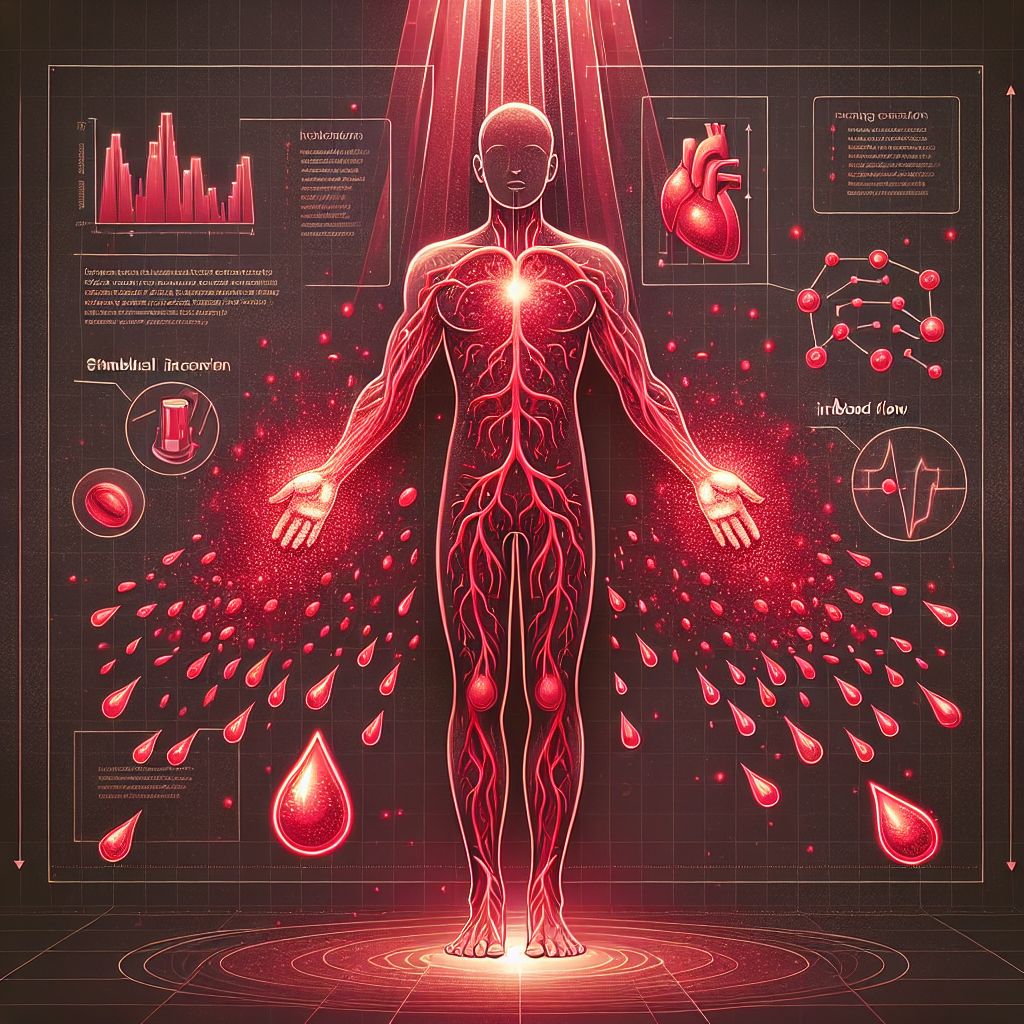
That’s where far infrared light therapy steps in. Unlike visible light, far infrared penetrates deeper into the body, gently warming tissues and expanding blood vessels. It increases energy in the cells and increases production of a critical chemical for the arteries: nitric oxide. This is where the magic happens—increased blood flow without the need for invasive procedures or pharmaceuticals.
Increasing Nitric Oxide for Vascular Dilation
One of the key players in this process is nitric oxide, a molecule that signals the blood vessels to relax and dilate. When far infrared light interacts with the body, it encourages the production of nitric oxide, effectively opening up the highways once more, allowing for a smoother flow of traffic—your blood cells.
Stimulating Angiogenesis to Bypass Blockages
But the benefits don’t stop at dilation. Far infrared light can also stimulate the body to create new pathways—new blood vessels, in a process called angiogenesis. This is akin to building detours around the roadblock, ensuring that the traffic (blood flow) can find a new route to its destination.
These two mechanisms—vascular dilation and angiogenesis—make far infrared light a promising tool in the fight against poor circulation. In the parts that follow, we’ll dive deeper into the science, the evidence, and the practical applications of this innovative therapy.
Scientific Evidence Supporting Far Infrared Therapy
Recent studies have suggested that far infrared light in the Terahertz gap may have beneficial effects on various health conditions, including improved circulation and nerve healing.
Delving into the scientific realm, several studies shed light on the efficacy of far infrared therapy for circulation. Researchers have been keenly observing how this non-invasive treatment can make a tangible difference in vascular health.
Studies on Nitric Oxide and Blood Flow
One of the most crucial discoveries in cardiovascular science was the role of nitric oxide (NO) in blood flow and vascular health. It acts as a vasodilator, signaling the blood vessels to relax, which improves circulation and reduces blood pressure. Far infrared therapy has been shown to stimulate the release of NO, enhancing blood flow and oxygenation throughout the body.
A study by Lin et al. in the Journal of the American Society of Nephrology highlighted that far infrared therapy improved blood flow and helped maintain the patency of arteriovenous fistulas in hemodialysis patients. This points to its potential for aiding individuals with compromised vascular access.
Research on Far Infrared Induced Neo-Vascularization
Angiogenesis, the formation of new blood vessels, is another area where far infrared therapy shows promise. Akasaki et al. reported that repeated thermal therapy upregulated endothelial nitric oxide synthase, an enzyme crucial for NO production, and augmented angiogenesis in a mouse model of hindlimb ischemia. This suggests that far infrared therapy not only enhances existing circulation but may also help to form new pathways for blood flow, which is vital in conditions where circulation is severely compromised.
Practical Applications of Far Infrared for Circulatory Health
So, how can we apply this knowledge to our everyday lives? Far infrared therapy can be integrated into daily routines to support and enhance circulatory health. It’s a natural, non-invasive way to assist the body’s healing processes and improve overall well-being.
Incorporating Far Infrared Therapy into Daily Life
Far infrared therapy is gaining popularity as a non-invasive treatment that may help improve circulation and general well-being. Understanding how to incorporate far infrared therapy into daily life can be beneficial for those looking to enhance their health routine.
There are several ways to incorporate far infrared therapy into your life. Far infrared saunas are one popular method, where you can relax as the light gently warms your body, stimulating blood flow. Far infrared heating pads and clothing are also available, providing targeted therapy to specific areas of the body. But by far the most powerful and effective method is with a new technology which is as portable as a hair dryer and can be aimed just as easily as one that can be aimed at any part of the body, especially problem areas.
It’s important to start with shorter sessions and gradually increase the duration as your body adapts to the therapy. Consistency is key, and as with any health regimen, it’s best to consult with a healthcare provider to ensure it’s appropriate for your specific needs.
Preventative Measures and Treatment Protocols
Understanding the various preventative measures and treatment protocols for health conditions is crucial. Far infrared light in the Terahertz gap has also shown benefit for heart disease, which at the same time has shown promise in improving circulation and overall cardiovascular health.
Besides direct therapy, lifestyle modifications can also support the benefits of far infrared therapy. Regular exercise, a balanced diet rich in antioxidants, and staying hydrated are fundamental. These habits, combined with far infrared therapy, can synergistically enhance circulation and promote vascular health.
For those with existing circulatory issues, far infrared therapy could be part of a comprehensive treatment protocol. By improving blood flow, it may aid in the management of symptoms and potentially slow the progression of circulatory diseases.
Frequently Asked Questions (FAQ)
What exactly is Far Infrared Light?
Far infrared light is part of the spectrum of light emitted by the sun. It’s invisible to the human eye, but we can feel it as warmth. Unlike ultraviolet light, which can cause sunburn and damage to the skin, far infrared is safe and provides a therapeutic warmth that can penetrate deep into the tissues of the body.
How does Far Infrared Light increase nitric oxide in the body?
Far infrared light has been shown to stimulate cells in a way that leads to the production of nitric oxide, a molecule that signals blood vessels to relax and widen. This process, known as vasodilation, increases blood flow and decreases blood pressure. It’s a natural mechanism that the body uses to ensure that all tissues receive the oxygen and nutrients they need. Far infrared essentially helps each cell have more energy to do whatever it was programmed to do.
Think of it like this: when you warm your hands by a fire, the warmth causes the blood vessels to expand, making your hands redder. Far infrared light works similarly, but on a deeper level within your body. But it’s not actually warmth that is causing the change. Far infrared is actually stimulating the actual water molecules and giving them more energy.
Can Far Infrared Light be used to treat existing circulatory diseases?
Yes, far infrared light can be used as part of a treatment plan for circulatory diseases. By enhancing blood flow and promoting the growth of new blood vessels, it can help alleviate symptoms of poor circulation. However, it should not replace conventional treatments prescribed by a healthcare provider but rather be used in conjunction with them. For many people with this condition they wait too long for technologies that work gradually to have time to work and so they face urgent surgery.
Are there any risks associated with Far Infrared Light Therapy?
Far infrared therapy is generally considered safe for most people. It’s extremely safe but can be misused for harm like most things in life.
How often should Far Infrared Therapy be used for optimal results?
The frequency of far infrared therapy sessions can vary depending on individual health goals and responses to the treatment. I recommend it daily and most will benefit from daily sessions, while others may find that two to three times a week is sufficient.
Remember, consistency is key in reaping the full benefits of far infrared therapy. So, whether you’re using a far infrared sauna, a heating pad, or the new handheld device that I mentioned, make sure to integrate it into your routine in a way that supports your health.
Stanley Lang, M.D. has been in active medical practice since 1978. He has been a family physician during these years with detailed experience in all age groups including delivering babies for several years. He has been a pioneer in developing models of wholistic health care that bring health to the whole person. He has particularly focussed on reversing Chronic Stress effects on the body. He is the creator of the Shalom Method for Wholistic Health, and he has created several online programs that allow patients to naturally self manage their problems including “The Natural Lyme disease Treatment Program”, the “Menopause Balancing Program”, “The Happy Healthy Child” program plus many others.
Far infrared radiation (FIR): its biological effects and medical …
by F Vatansever · 2012 · Cited by 377 — This randomized trial demonstrated that …
Terahertz radiation
Terahertz radiation occupies a middle ground where the ranges of microwaves and …www.omicsonline.org
Effects of Far-Infrared and Terahertz Onnetsu Therapy on Cancer …
and 8-10 μ of Far Infrared radiation, which, according to Nasa, the most effecti…


Leave a Reply