-
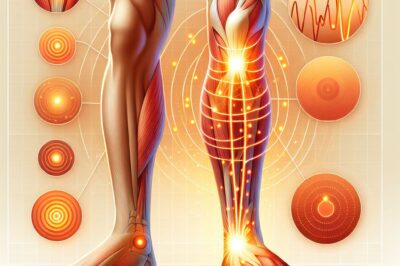
Far infrared therapy can penetrate deep tissues, helping to alleviate the symptoms of Restless Leg Syndrome (RLS).
-
RLS is a neurological disorder that causes an irresistible urge to move the legs, often accompanied by unpleasant sensations.
-
Far infrared light in the terahertz gap has been shown to improve circulation and may reduce inflammation, contributing to symptom relief.
-
Using far infrared therapy at home is convenient and can be incorporated into daily wellness routines.

The Science of Photo Bio Modulation
Imagine a world where light is not just something that illuminates your path but also heals your body. That’s the realm of photo bio modulation (PBM), a process where specific light wavelengths trigger biological changes within cells. This isn’t science fiction; it’s a well-researched therapy that’s gaining traction in the natural health community.
The Basics of Light Therapy
Light therapy, also known as phototherapy, uses different wavelengths of light to promote healing and wellness. It’s like giving your cells a dose of energy directly from a specific type of light. Far infrared light therapy, in particular, uses wavelengths that are longer than visible light, which means they can penetrate deeper into the body’s tissues.
Comparing Near Infrared and Far Infrared
Let’s get this straight: not all infrared light is the same. Near infrared (NIR) has a shorter wavelength and is more commonly used for superficial skin treatments. Far infrared (FIR), on the other hand, reaches deeper, making it the go-to choice for conditions like RLS that affect the muscles and deeper tissues. Even so, research has shown that even near infrared helps with RLS symptoms.
Deep Tissue Penetration of Far Infrared
So, why does depth matter? Because the deeper the light can go, the more it can target the underlying issues. FIR’s ability to reach deep tissues is what makes it so promising for managing RLS symptoms. This point is about getting to the root of the problem, quite literally.
How Far Infrared Light Addresses Restless Leg Syndrome
Understanding Restless Leg Syndrome (RLS)
RLS is that nagging, often relentless urge to move your legs, usually accompanied by uncomfortable sensations. It’s like your legs have a mind of their own, especially when you’re trying to relax or sleep. This can be more than just an annoyance; it can significantly disrupt your life.
Far Infrared’s Mechanism in Controlling RLS Symptoms
Here’s where FIR steps in. It’s thought to boost blood circulation, which is crucial because better blood flow means more oxygen and nutrients to your restless legs. This increased circulation can help calm the nerves and muscles, providing that much-needed relief.
But that’s not all. FIR might also reduce inflammation. Since inflammation can worsen RLS symptoms, keeping it in check is a big win for your legs and your sleep.
The Role of Far Infrared in the Body’s Healing Processes
Beyond symptom relief, FIR supports the body’s natural healing processes. By enhancing circulation and reducing inflammation, it sets the stage for recovery and healing, not just a temporary fix.
It’s like helping your body help itself, which is the ultimate goal of any natural remedy, right?
The Application of Far Infrared in Daily Life
At-Home Far Infrared Therapy Devices
Gone are the days when therapies like this were only available in fancy clinics. Now, you can use FIR right in your own home. From wearable devices to infrared blankets, there’s an option for every lifestyle and budget. And now there is a more powerful hand held device that can be aimed at the problem area for just a few minutes a day.
Incorporating Far Infrared Light into Your Wellness Routine
Consistency is key when it comes to natural remedies. Incorporating FIR into your daily routine can be as simple as using an infrared heating pad while you read or watch TV. It’s all about making it work for you.
Safety and Best Practices for Far Infrared Use
While FIR is generally safe, it’s important to use it correctly. Start with shorter sessions and gradually increase as your body adapts. And always follow the manufacturer’s guidelines to avoid overexposure.
Remember, the goal is to feel better, not to add more stress to your body. Listen to your body and adjust accordingly.
The Application of Far Infrared in Daily Life
Far infrared therapy isn’t just a treatment you seek out in special clinics; it’s something you can easily integrate into your everyday life. The beauty of this therapy is its simplicity and the fact that it doesn’t require any invasive procedures or medications. Instead, it offers a soothing, non-disruptive way to manage symptoms of Restless Leg Syndrome (RLS) from the comfort of your home. In fact because it seems to activate or turn on many of the body’s healing systems I suggest it as a daily preventive strategy when using the hand held device.
As we continue to understand more about the therapeutic benefits of far infrared light, particularly in the terahertz gap, we find more innovative ways to apply this technology. It’s not just about providing relief; it’s about enhancing overall well-being. The warmth and deep tissue penetration can be a form of relaxation after a long day, potentially improving sleep quality and reducing stress.
Moreover, as we embrace wellness as a lifestyle, the incorporation of far infrared therapy into our daily routines represents a proactive approach to health management. It’s a tool that empowers you to take control of your symptoms and seek relief on your terms, anytime you need it.
Example: John, a 45-year-old graphic designer, struggled with RLS for years. After incorporating a far infrared heating pad into his evening routine, he noticed a significant decrease in his symptoms. “It’s like a gentle, warm hug for my legs,” he says. “I use it while unwinding from my day, and it has made a world of difference.”
At-Home Far Infrared Therapy Devices
When it comes to at-home devices, there’s a variety of options available. Wearable wraps can target specific areas, such as the legs for RLS sufferers, while infrared saunas offer full-body benefits. Portable infrared lamps can be directed towards any part of the body, and heating pads infused with far infrared technology can be laid on beds or chairs for ease of use. And most recently the terahertz blower can aim a much stronger signal right at the problem area but still completely safely.
Safety and Best Practices for Far Infrared Use
When using far infrared therapy, start with shorter sessions to see how your body reacts, then gradually increase the duration. Always follow the manufacturer’s instructions to ensure you’re using the device safely. It’s also important to stay hydrated and to avoid using the device directly on bare skin to prevent burns or discomfort.
Most importantly, listen to your body. If you experience any discomfort or adverse reactions, it’s essential to stop the treatment and consult with a healthcare professional. With proper use, far infrared therapy can be a safe and effective way to manage RLS symptoms.
Case Studies: Evidence of Far Infrared’s Efficacy
Real-world examples often speak louder than clinical data, offering relatable insights into the effectiveness of far infrared therapy. These stories and case studies can provide comfort and hope to those suffering from RLS, showcasing the potential for improved quality of life.
Case studies have shown that consistent use of far infrared therapy can lead to reduced severity of RLS symptoms, less frequent nighttime awakenings, and a decrease in the uncomfortable sensations associated with the condition. This anecdotal evidence, while not a substitute for clinical research, offers a compelling narrative for the benefits of far infrared therapy.
-
Case Study 1: A patient reported a 70% reduction in RLS symptoms after using a far infrared sauna three times a week.
-
Case Study 2: Another individual experienced less anxiety and better sleep quality after incorporating far infrared therapy into their bedtime routine.
-
Case Study 3: A long-term sufferer of RLS found that regular use of a far infrared heating pad decreased the need for medication to manage symptoms.
These stories underscore the potential of far infrared therapy as a complement to traditional treatments, offering a natural and non-invasive option for symptom management.
Review of Clinical Trials and Research
Clinical trials and research into far infrared therapy provide the scientific backing needed to understand its mechanisms and benefits. Studies have shown that far infrared light can improve circulation, aid in detoxification, and promote relaxation of the muscles, all of which are beneficial for those suffering from RLS.
Further research is needed to fully comprehend the long-term effects and optimal application methods for RLS, but current evidence supports the therapy’s potential as a valuable tool in managing the condition. The issue at this point is not whether or not it works but rather what the optimal energy dose and time is. With the new hand held blower it is almost improssible to overuse it on a body part.
Personal Testimonials and Success Stories
Personal testimonials often give a face to the success of far infrared therapy. For example, Emily, a retiree, shares her experience: “I’ve battled with RLS for decades, and nothing gave me relief like my far infrared blanket. It’s become an indispensable part of my life, and I’m grateful for the nights of rest it has given me.”
Stories like Emily’s are not uncommon, as many individuals have turned to far infrared therapy as a way to reclaim their comfort and mobility. These success stories offer hope and validation for others considering this natural remedy.
Professional Endorsements and Usage in Medical Practices
Healthcare professionals, including physiotherapists and holistic practitioners, are increasingly incorporating far infrared therapy into their treatment plans. The non-invasive nature of the therapy, combined with its potential to support the body’s natural healing processes, makes it a valuable addition to comprehensive care for RLS and other conditions.
Key Takeaways
-
Far infrared therapy can penetrate deep tissues, offering relief for Restless Leg Syndrome symptoms.
-
At-home far infrared devices are accessible and can be easily integrated into daily routines.
-
It’s important to follow safety guidelines and best practices when using far infrared devices.
-
Anecdotal evidence and case studies highlight the therapy’s potential to reduce RLS symptoms and improve quality of life.
-
Clinical research supports the use of far infrared therapy, though more studies are needed to fully understand its benefits.
Key Takeaways
-
Far infrared therapy can penetrate deep tissues, offering relief for Restless Leg Syndrome symptoms.
-
At-home far infrared devices are accessible and can be easily integrated into daily routines.
-
It’s important to follow safety guidelines and best practices when using far infrared devices.
-
Anecdotal evidence and case studies highlight the therapy’s potential to reduce RLS symptoms and improve quality of life.
-
Clinical research supports the use of far infrared therapy, though more studies are needed to fully understand its benefits.
Frequently Asked Questions
What is Far Infrared Light Therapy?
Far infrared light therapy is a form of photo bio modulation that uses wavelengths of light in the far infrared spectrum. This therapy is known for its ability to penetrate deep into the body’s tissues, promoting increased blood flow, reduced inflammation, and relief from pain and discomfort. It has become an increasingly popular treatment for a variety of conditions, including Restless Leg Syndrome.
How Does Far Infrared Therapy Compare to Medication for RLS?
While medication can be effective in managing the symptoms of RLS, it often comes with potential side effects and the risk of dependency. Far infrared therapy offers a natural and non-invasive alternative that can be used alongside or in some cases, as a replacement for medication. Unlike drugs, far infrared therapy works by enhancing the body’s own healing processes, without introducing foreign substances into the system.
Moreover, far infrared therapy can be used as frequently as needed without the concern of overmedication or negative drug interactions. This gives individuals more control over their treatment and the flexibility to use the therapy at their convenience.
It’s important to note, however, that while far infrared therapy can be a powerful tool in managing RLS symptoms, it should not be considered a replacement for professional medical advice. If you are self managing with far infrared tool and the problem is not improving after a few weeks, get professional help.
-
Medication for RLS often has side effects and can lead to dependency.
-
Far infrared therapy is a natural, non-invasive treatment option.
-
Far infrared therapy enhances the body’s healing processes without drugs.
-
Consult with a healthcare provider for a personalized treatment plan.
Can Far Infrared Light Therapy Cure Restless Leg Syndrome?
No therapy can be guaranteed to cure Restless Leg Syndrome, as it is a chronic condition with complex causes. However, far infrared therapy has been shown to alleviate symptoms for many individuals, improving their quality of life and sleep. It’s a promising complementary treatment that can be part of a broader management strategy for RLS.
While there is no definitive cure for RLS, far infrared therapy can play a significant role in symptom management. It’s essential to approach this therapy with realistic expectations and to understand that it may be more effective for some individuals than for others. Consistent use and a holistic approach to health can optimize the chances of symptom relief.
The effectiveness of far infrared therapy for RLS can vary based on factors such as the severity of the condition, the individual’s overall health, and how the therapy is used. Combining far infrared therapy with other treatments, such as lifestyle changes and medication, can provide the best results.
Are There Any Side Effects of Far Infrared Light Therapy?
Far infrared therapy is generally considered safe when used according to the manufacturer’s instructions. However, like any treatment, there may be potential side effects, although they are typically mild and transient. Some individuals may experience temporary increased sweating, dehydration, or mild discomfort at the site of application. if they are using the sauna and staying in too long but these problems don’t happen with the hand held device.
How Often Should Far Infrared Light Therapy Be Administered for RLS?
The frequency of far infrared therapy sessions will depend on the individual’s specific needs and the severity of their RLS symptoms. As a general guideline, starting with shorter sessions a few times a week and gradually increasing to daily use can be effective. It’s important to monitor your body’s response and adjust the frequency accordingly.
Some individuals may find relief with just a few sessions per week, while others may benefit from daily use. The key is to listen to your body and find a balance that provides symptom relief without causing discomfort or inconvenience.